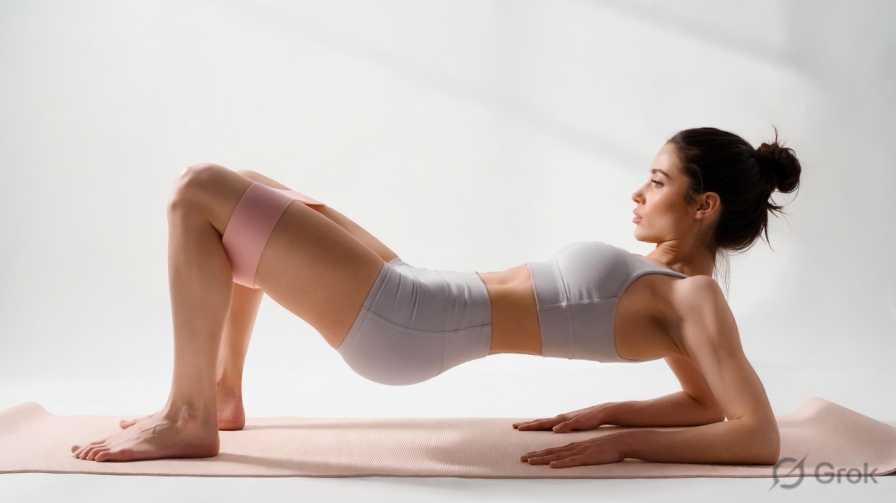
Standing Abs vs. Floor Abs: Which Core Workout Is Better for Beginners?
So, you want a stronger core but you’re not sure which path to take—down to the floor or standing up? It’s a great question, and the good news is, you don’t have to choose just one.
As experts point out, there isn’t one single “ultimate” fitness path, and the best exercise is often the one you’ll actually do . Both standing and floor ab exercises are effective for beginners, but they offer different benefits and challenges .
To help you decide, let’s break down the pros and cons of each.
Stop Guessing. Start Following a Plan.
Ready to make your home workouts more structured?
👉 Explore the Hourglass Body Free eBook
Floor Abs: The Classic Foundation
Floor-based exercises have been the go-to for core training for years . They involve lying on your back, stomach, or side, like in a plank, crunch, or dead bug.
Why You Might Choose Floor Exercises:
Stability and Form: The floor provides a stable base of support, making it easier to focus on performing the move correctly and isolating the right muscles .
Gravity as Resistance: Floor exercises directly challenge your muscles by using the weight of your trunk against gravity . This can be a very effective way to build strength.
Beginner-Friendly Options: Many floor exercises are excellent for beginners because they emphasize control and stability rather than momentum. Moves like the dead bug, glute bridge, and bird dog are great starting points to teach your deep core muscles to work together .
For a beginner, floor abs are a safe and effective way to build a solid foundation of core strength without the risk of using momentum to cheat the movement.
Standing Abs: The Functional Alternative
Standing ab exercises, a growing trend, train your core in a way that mimics everyday life—upright, moving, twisting, and stabilizing .
Why You Might Choose Standing Exercises:
Gentle on Joints: “Standing ab exercises are ideal if you experience joint issues, such as neck, lower-back, and wrist pain, while doing floor exercises” . There’s no pressure on your wrists, shoulders, or neck from holding a plank or crunching on your back .
Real-World Functionality: “They train your core in the way it’s actually designed to function… stabilizing you against gravity while you move,” says personal trainer Kate Rowe-Ham . This type of training is excellent for improving balance, posture, and coordination.
Accessible Anywhere: You don’t need a mat, and they don’t require much space. You can easily do a few standing side bends while waiting for dinner to cook .
Denise Austin, a well-known fitness expert, is a big fan of these for good reason, as they are perfect for people who “don’t like getting on the ground” during a workout . For beginners, they are a fantastic way to start core training with a focus on movement and stability.
Which Is Better for Beginners?
There’s no single right answer—it depends on your body and what you’re looking for. Here’s a simple way to decide:
Go for Floor Abs if:
You have no issues with your neck, wrists, or lower back.
You want to build a core foundation using classic, stable exercises.
You are looking for a very controlled environment to isolate your core muscles .
Go for Standing Abs if:
You have discomfort in your wrists, neck, or back from floor work .
You want to train your core in a more “functional” way that benefits your balance and everyday movement .
You’re looking for a workout you can do anywhere, anytime, without getting on a gym floor.
The most important thing is consistency and good form. As experts note, it’s not about standing being “easy” and floor being “advanced”—either can be modified to suit your level .
You can even build a routine that combines the best of both worlds, using floor exercises for stability and standing moves for function.
Ready to Take Your Workouts Seriously?
Get the complete Hourglass Body eBook and start following a structured routine.
👉 Get Your Free Copy