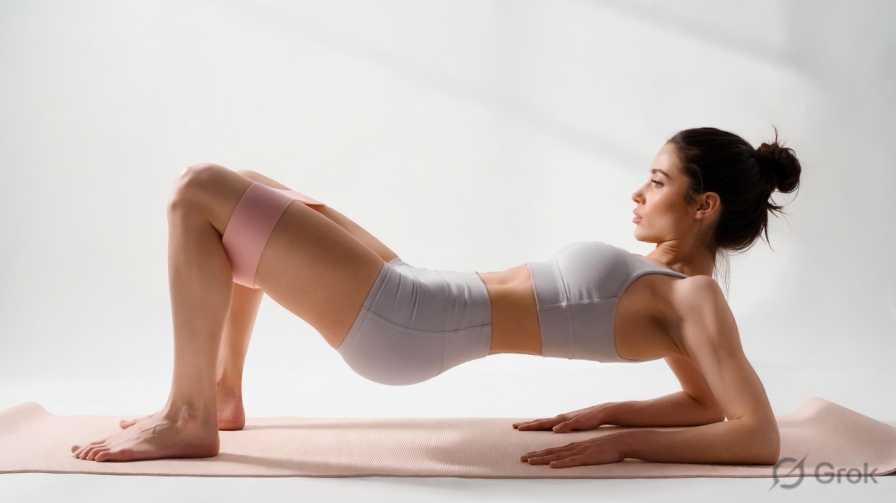
High-Intensity Interval Training (HIIT) alternates short bursts of intense effort with recovery periods. It has gained popularity for delivering significant fat loss in minimal time. Science supports its effectiveness through elevated calorie burn, metabolic adaptations, and hormonal responses that promote fat utilization. While not magic, HIIT often produces faster visible results than steady-state cardio when combined with a calorie deficit.
Important disclaimers: HIIT is intense—consult a doctor before starting, especially with heart, joint, or metabolic conditions. Beginners should use modifications and build gradually. Fat loss ultimately requires nutrition; exercise alone has limits due to potential compensation (e.g., eating more or moving less).
Core Science: How HIIT Drives Fat Loss
- Excess Post-Exercise Oxygen Consumption (EPOC) – The “Afterburn” HIIT creates an oxygen debt during intense intervals. Your body works harder post-workout to restore oxygen, clear lactate, repair tissues, and regulate hormones. This elevates metabolism for hours (sometimes up to 24+). Studies show HIIT produces greater EPOC than moderate continuous training (MICT), leading to extra calories burned—often 6–15% more total energy expenditure.
- Higher Calorie Burn in Less Time A 20–30 minute HIIT session can match or exceed the calorie burn of longer moderate workouts. Intensity drives this: anaerobic efforts tap into fast energy systems, boosting overall expenditure.
- Enhanced Fat Oxidation HIIT increases the body’s ability to use fat as fuel. Short-term studies show improvements in skeletal muscle fat-burning capacity after just 2 weeks. It also elevates fat oxidation during and after exercise, particularly in the recovery phase.
- Hormonal and Metabolic Adaptations
- Catecholamines (epinephrine, norepinephrine): Surge during HIIT to mobilize fat from stores for energy.
- Growth Hormone & others: Support fat breakdown and muscle preservation.
- Improved Insulin Sensitivity: Helps regulate blood sugar and reduce fat storage. HIIT also boosts mitochondrial function (cellular energy factories), making your body more efficient at burning fat long-term.
- Visceral and Abdominal Fat Reduction Meta-analyses confirm HIIT effectively reduces total body fat, abdominal fat, and visceral fat (the dangerous deep belly fat). Running-based HIIT often outperforms cycling. Results appear in 4–12 weeks with consistency.
HIIT vs. Steady-State Cardio: When total calories burned are similar, fat loss is often comparable. HIIT’s advantage is efficiency—same or better results in half the time, plus better muscle retention and fitness gains. However, walking or moderate cardio excels for sustainability and recovery.
Practical Factors for Success
- Intensity Matters: Aim for 80–95% effort during work intervals (e.g., “can’t talk easily”).
- Frequency: 2–4 sessions per week (20–30 min) + daily movement for best results.
- Nutrition Synergy: Pair with protein-rich meals and a moderate deficit. HIIT may slightly suppress appetite for some.
- Individual Variability: Overweight individuals often see stronger responses. Genetics, sleep, and stress influence outcomes.
Sample Evidence Snapshot:
- HIIT can reduce body fat % and waist circumference effectively, sometimes matching longer moderate exercise.
- EPOC contributes extra burn, with higher lipid (fat) utilization post-HIIT.
Tips to Maximize Results
- Combine with strength training to preserve/build muscle (muscle raises resting metabolism).
- Track progress with measurements, photos, and energy levels—not just the scale.
- Recover well: Sleep, hydrate, manage stress.
- Progress gradually: Increase intensity, reduce rest, or add rounds over time.
- Use the previous routines (20-min HIIT, low-impact, 7-day schedule) as a base.
Bottom Line: HIIT works because it hacks your physiology—maximizing calorie burn, fat mobilization, and metabolic efficiency in short bursts. It’s one of the most time-effective tools for fat loss, but consistency with diet and recovery determines real-world success. Many see noticeable changes in 4–8 weeks.
If you want a customized plan, more studies, or integration with face yoga/walking, let me know. Train smart and stay consistent! 💪