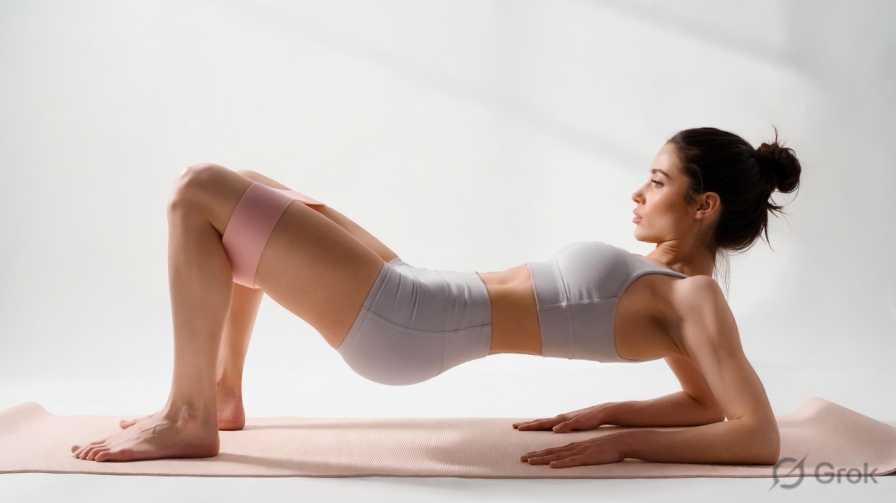
Think you need to jump, hop, or burpee to burn serious calories? Think again.
Low-impact doesn’t mean low-intensity. It means smart impact—keeping one foot on the ground while keeping your heart rate soaring. Perfect for bad knees, upstairs neighbors, or anyone who just hates jumping.
Here are three calorie-torching, joint-saving workouts you can do right now.
The Science: Why Low-Impact Works
High-impact moves (jumping jacks, burpees, box jumps) burn slightly more calories per minute. But they also stress your joints and spike your injury risk.
Low-impact moves (step touches, marches, kicks) allow you to work for longer without stopping. And longer workouts = more total calories burned.
Plus, low-impact workouts keep your heart rate in the “fat-burning zone” more consistently. No spikes. No crashes. Just steady burn.
Workout #1: Walking with Purpose (The Easiest)
Calories burned: 250–350 per 30 minutes
How to do it:
Walk at a brisk pace (you should be able to speak but not sing)
Add the Japanese 3-7 breathing: Inhale 3 seconds, exhale 7 seconds
Swing your arms (elbows at 90 degrees)
Walk uphill or on an incline if possible
The trick: Don’t stroll. Power walk like you’re late for something.
Do it: Daily, 20–30 minutes
Workout #2: The Low-Impact HIIT (16 Minutes)
Calories burned: 200–300 per session
Format: 40 seconds work, 20 seconds rest. Do each move once. Repeat the circuit 3 times.
The moves (no jumping):
High knees (slow version) – Lift knees to waist height, not chest. Pump arms.
Step jack – Step right foot out, raise arms overhead. Step back in. Alternate sides. Like a jumping jack without the jump.
Low-impact squat jack – Squat. As you stand, tap your right heel out to the side. Squat. Tap left heel.
Kickbacks – Standing on one leg? No. Kick your right heel toward your glute. Alternate. Fast pace.
Reach and crunch – Stand tall. Reach right knee up toward left elbow (twisting). Alternate.
Side step squat – Step right, squat. Step left, squat. Keep moving side to side.
Do it: 4–5 days per week
Workout #3: The LISS Walk (Low-Intensity, Long Duration)
Calories burned: 300–400 per 60 minutes
What it is: LISS = Low-Intensity Steady State. The opposite of HIIT.
How to do it:
Walk at a comfortable pace (you can sing, no breathing hard)
Go for 45–60 minutes
No intervals. No sprints. Just steady movement.
Why it works: At lower intensities, your body uses fat (not carbs) as its primary fuel source. Longer duration = more fat burned.
Do it: 2–3 days per week, ideally on rest days from HIIT
The 20-Minute Low-Impact Circuit (No Repeats)
Short on time? This one-and-done circuit takes 20 minutes total.
| Time | Move |
|---|---|
| 0–2 min | Warm-up: March in place, arm circles |
| 2–4 min | Step jacks |
| 4–6 min | Low-impact squat jacks |
| 6–8 min | High knees (slow) |
| 8–10 min | Kickbacks |
| 10–12 min | Side step squats |
| 12–14 min | Reach and crunch |
| 14–16 min | Step jacks (again) |
| 16–18 min | High knees (again) |
| 18–20 min | Cool-down: Walk in place, deep breaths |
No rest between moves (except the 2-second transition). Keep moving the entire 20 minutes.
Calorie Burn Comparison (Per 30 Minutes for a 155-lb Person)
| Activity | Calories Burned |
|---|---|
| Regular walking (slow) | 120 |
| Power walking (3-7 breathing) | 250 |
| Low-impact HIIT (16 min = 200, so 30 min = ~375) | 375 |
| LISS walking (60 min = 400, so 30 min = 200) | 200 |
| Traditional HIIT (with jumping) | ~350 |
The takeaway: Low-impact HIIT burns more calories than traditional HIIT when you factor in sustainability. You can do low-impact longer and more frequently.
Why Low-Impact Is Better for Weight Loss (Long-Term)
You’ll do it consistently. Jumping hurts. Knees ache. Shins splint. Low-impact feels good, so you show up.
You can do it daily. High-impact requires rest days. Low-impact can be done 6–7 days per week. More days = more calories burned.
You’ll recover faster. Soreness is minimal. No “I can’t walk up stairs” DOMS.
You can pair it with other activity. Walk in the morning. Low-impact HIIT at lunch. That’s two calorie-burning sessions in one day.
The Best Low-Impact Equipment (Optional)
Resistance bands: Add them to squats and side steps for 20% more calorie burn.
Light dumbbells (2–5 lbs): Hold them during step jacks and high knees.
Walking pad/under-desk treadmill: Get 10,000 steps without leaving your house.
None of the above: Your body weight is free and works perfectly.
Sample Weekly Schedule
| Day | Workout | Duration |
|---|---|---|
| Monday | Low-impact HIIT | 16 min |
| Tuesday | Power walking (3-7 breathing) | 30 min |
| Wednesday | Low-impact HIIT | 16 min |
| Thursday | LISS walk | 45 min |
| Friday | Low-impact HIIT | 16 min |
| Saturday | Power walking | 45 min |
| Sunday | Rest or gentle stretch | – |
Total weekly calorie burn (approx): 1,500–2,000 calories (before diet)
Common Myths, Busted
Myth: “No pain, no gain.”
Truth: Pain means injury. Low-impact = low pain = sustainable gain.
Myth: “You have to jump to burn calories.”
Truth: Your heart doesn’t know if your feet leave the ground. It only knows intensity.
Myth: “Low-impact is for old people.”
Truth: Elite athletes use low-impact for active recovery and fat-loss phases.
The Bottom Line
Jumping is overrated.
You can burn 300–400 calories in 20–30 minutes without ever leaving your feet. Your knees will thank you. Your upstairs neighbor will thank you. And your waistline won’t know the difference.
Start with Workout #2 (the 16-minute HIIT). Do it tomorrow. Then add the power walking the day after.
Low impact. High results.
Which workout are you trying first? Drop “🚶♀️” for walking, “🔥” for HIIT, or “🐢” for LISS. Let’s go! 💪
Here is a very short, practical blog post explaining why combining walking with home workouts is the most effective, sustainable strategy for weight loss.
Exhale through your mouth for 7 seconds
Walk at a brisk pace (slightly breathy but able to speak)
Do this for 15–20 minutes minimum
Why it works: The extended exhale activates your parasympathetic nervous system, lowers cortisol, and shifts fuel preference to fat stores.
Don’t just stroll. Intensity matters. You should feel your heart rate up and your breath deeper than usual.
Sample Day: Putting It Together
7:00 AM: 20-minute power walk with 3-7 breathing (neighborhood or treadmill)
12:00 PM: 15-minute home workout (Workout A from above)
Throughout the day: Park farther away, take stairs, pace while on phone
Total calories burned (approx): 400–500
Weight loss per week (with moderate calorie deficit): 1–2 pounds
Why Most People Fail (And How This Combo Fixes It)
Problem: Too much high-intensity training leads to burnout and injury.
Fix: Walking provides low-impact active recovery.
Problem: Only walking leads to plateaus (body adapts).
Fix: Home workouts shock the system with new stimuli.
Problem: No time for the gym.
Fix: Walking happens anywhere. Home workouts take 15 minutes.
Problem: Boredom kills consistency.
Fix: Alternating activities keeps it fresh.
The Calorie Math (Simple Version)
| Activity | Time | Calories (155-lb person) |
|---|---|---|
| Leisurely walk | 20 min | ~70 |
| Power walk (3-7 breathing) | 20 min | ~150 |
| Home workout (bodyweight) | 15 min | ~120 |
| Combined (power walk + workout) | 35 min | ~270 |
Daily total (with NEAT – Non-Exercise Activity Thermogenesis): ~500–600 calories burned from movement
Weekly total (6 days): ~3,000–3,600 calories
Pounds of fat per week (from exercise alone): ~1 pound
Add a 250-calorie daily deficit from food, and you’re losing 1.5–2 pounds per week. Sustainable. Realistic. Doable.
The Best Walking Surfaces for Weight Loss
Treadmill (0% incline): Good for convenience. Add incline for more burn.
Outdoors (flat): Better for mental health and vitamin D.
Outdoors (hilly): Best for calorie burn. Hills activate glutes and raise heart rate without running.
Indoor walking (mall, office, home): Still counts. Just keep the pace brisk.
How to Progress Over 4 Weeks
Week 1:
Walk: 15 min power walk (3-7 breathing), 3x week
Home workout: 12 min, 2x week
Leisurely walks: 10 min, 2x week
Week 2:
Walk: 20 min power walk, 3x week
Home workout: 15 min, 3x week
Leisurely walks: 15 min, 2x week
Week 3:
Walk: 25 min power walk, 4x week
Home workout: 18 min, 3x week
One long walk (45 min) on weekend
Week 4:
Walk: 30 min power walk, 4x week
Home workout: 20 min, 4x week
Add light dumbbells (2–5 lbs) to home workouts
The Biggest Mistake (And How to Avoid It)
Mistake: Doing your home workout RIGHT before or after your power walk.
Why it’s a problem: Your form suffers when you’re fatigued. You risk injury. And the calorie overlap isn’t additive in the way you think.
Better approach: Separate them by at least 3–4 hours. Morning walk. Afternoon workout. Or vice versa.
If you must do them together: Walk first (as warm-up), then workout. Never workout then walk fatigued.
Gear You Actually Need
Walking: Supportive shoes. That’s it. (Water bottle optional.)
Home workouts: A mat (or carpet/towel). Optional: 2–5 lb dumbbells, resistance band.
Total cost: $0–$50.
Not needed: Expensive activewear, gym membership, supplements.
The Bottom Line
Walking is the most underrated fat-loss tool.
Home workouts are the most accessible muscle-building tool.
Together? They’re unstoppable.
You don’t need to run. You don’t need to join a gym. You don’t need to spend hours exercising.
Just walk with intention. Do 15 minutes of bodyweight moves. Repeat 5–6 days a week.
In 4 weeks, you’ll see the difference. In 12 weeks, everyone else will too.
Are you ready to