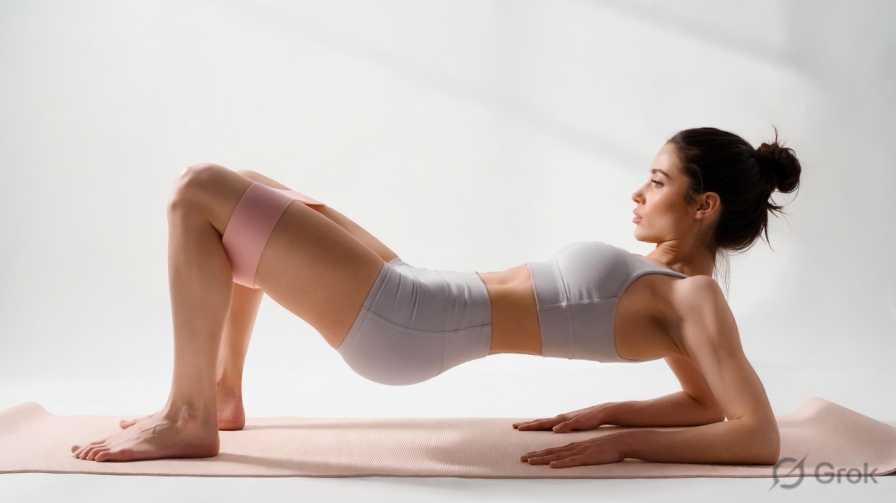
Here’s the Best Waist Workout for Women Over 30 — a safe, effective, joint-friendly 12–18 minute routine designed specifically for your needs.
After 30, metabolism shifts, hormones fluctuate, and recovery takes a bit longer, so this focuses on deep core activation (transverse abdominis for natural corseting), gentle oblique toning, posture improvement, and lower back support. It helps create a slimmer waist appearance while protecting joints and pelvic floor.
Key Benefits: Better posture (instantly slims the waist), reduced back pain, improved digestion/bloating, and functional strength for daily life.
Guidelines:
- Do this 3–4 days per week (never consecutive days for recovery).
- 2–3 rounds. Focus on slow, controlled movements and breathwork.
- Breathe: Exhale deeply to engage your core (draw belly button toward spine).
- Total time: 12–18 minutes. Listen to your body — stop if you feel sharp pain.
- Modifications for common concerns (back, knees, pelvic floor) included.
- Pair with protein-rich meals, daily walking, stress management, and 7–8 hours sleep.
Quick Warm-Up (1–2 minutes)
- March in place with gentle arm swings.
- Seated or standing torso twists (very gentle).
- 4–6 Standing Stomach Vacuums: Exhale fully, pull belly in, hold 10–20 seconds.
1. Standing Stomach Vacuums with Posture Hold (Deep core foundation)
- Stand tall, feet hip-width. Exhale and draw belly button toward spine.
- Reach arms overhead or out to sides while maintaining the vacuum. Hold 15–25 seconds.
- Reps: 5–8 holds. Benefit: Strengthens the deepest abdominal muscles for a flatter waist and better spinal support.
2. Standing Side Crunches (Gentle oblique tone)
- Hands behind head or on hips. Lift right knee toward right elbow while crunching sideways.
- Alternate slowly, keeping hips stable. Reps: 10–12 per side. Modification: Smaller range or omit knee lift. Benefit: Defines the waist without strain.
3. Seated or Standing Russian Twists (Modified for back safety)
- Sit tall on a chair or floor with knees bent (feet on floor for ease). Clasp hands at chest.
- Twist gently side to side, keeping core engaged. Reps: 10–12 per side, very controlled. Modification: Keep feet down and range small. Benefit: Improves rotational strength and tones sides.
4. Bird Dog (Core stability + back strength)
- On all fours (use a cushion under knees if needed). Extend right arm forward and left leg back, keeping hips level.
- Hold 3–5 seconds, then alternate. Reps: 8–10 per side. Benefit: Excellent for posture and preventing lower back issues common after 30.
5. Modified Side Plank (Lateral core sculpting)
- Lie on one side, forearm down, knees bent or legs stacked. Lift hips into a straight line.
- Hold, or add gentle hip dips if comfortable. Hold: 20–40 seconds per side. Modification: Drop to knees or do forearm on wall while standing. Benefit: Strengthens obliques and improves waist definition safely.
6. Pilates-Inspired Roll-Up or Dead Bug (Full core control)
- Dead Bug (recommended for back safety): Lie on back, arms and legs up (tabletop). Slowly extend one arm overhead and opposite leg toward floor while keeping lower back pressed down.
- Alternate. Reps: 8–10 per side. Benefit: Builds deep core endurance without crunching the spine.
7. Finisher: Supine Pelvic Tilts or Bridge Hold
- Lie on back, knees bent. Tilt pelvis to press lower back into floor, then lift into a gentle glute bridge.
- Hold 5–10 seconds at top, squeezing glutes. Reps: 10–12. Benefit: Supports pelvic floor and gives a lifted, balanced look.
Cool-Down & Stretch (2–3 minutes)
- Child’s pose or cat-cow (gentle).
- Seated side bends and forward fold.
- Deep breathing with hands on belly.
Tips Tailored for Women Over 30:
- Prioritize recovery: Add foam rolling, walking, or yoga on off days.
- Nutrition: Focus on protein (25–30g per meal), fiber, and hydration to fight midsection bloat.
- Progression: Increase hold times or add a light resistance band (from previous routine) after 2–3 weeks.
- Combine with earlier routines: Add glute bridges (hourglass) or Pilates moves 1–2x/week.
- Track progress: Waist measurement, energy levels, and how clothes fit — not just the scale.
- If you have diastasis recti, C-section history, or pelvic floor issues, consult a professional and emphasize vacuums/dead bugs.
This workout delivers noticeable improvements in tone, posture, and confidence with consistency. Many women over 30 see great results in 4–6 weeks when paired with lifestyle habits.
Would you like a full weekly plan (including rest days), modifications for specific concerns, integration with the 21-Day Challenge, or a version with resistance bands? Let me know — you’ve got this! 💪✨