Low-Impact HIIT (sometimes called HILIT) delivers the fat-burning and cardio benefits of high-intensity interval training without jumping or high joint stress. It uses controlled, steady movements with short bursts of effort and recovery periods to elevate your heart rate safely. Perfect for beginners, those with joint concerns, or anyone easing back into fitness. A 20-minute session can burn 150–300+ calories while building endurance and strength.
Key benefits: Improved heart health, fat loss, muscle tone, and metabolism boost with lower injury risk. Combine with walking, strength training, and a balanced diet for best results.
Important disclaimers: Consult a doctor before starting, especially with injuries, joint issues, or medical conditions. Focus on proper form over speed. Start slower if needed, and stop if you feel sharp pain (mild muscle burn is normal). Hydrate, breathe steadily (exhale on effort), and listen to your body. Beginners may do 1 round and build up.
Workout Structure (No Equipment Needed)
- Total time: ~20 minutes
- Warm-up: 3 minutes (march in place, arm circles, gentle bodyweight squats)
- Main workout: 40 seconds work / 20 seconds rest per exercise. Go through the circuit 1–2 times (aim for 2 as you progress). Or use 30s work / 30s rest for an easier start.
- Cool-down: 2–3 minutes of walking in place + gentle stretches (quads, hamstrings, shoulders, chest).
This is a full-body, no-repeat circuit for variety and engagement. Move with control and focus on steady breathing. Intensity comes from speed and good form within the low-impact style.
1. March in Place with High Knees (modified)
- March briskly, lifting knees toward chest (not too high at first). Pump arms.
- Focus: Cardio warm-up, core engagement.
- Modification: Slower march, lower knees.
2. Bodyweight Squats (or Squat to Overhead Reach)
- Feet shoulder-width, lower as if sitting back into a chair (thighs parallel or higher), then stand and reach arms overhead.
- Focus: Legs, glutes, shoulders. Move faster on the way up for intensity.
3. Alternating Reverse Lunges
- Step one foot back into a lunge (both knees ~90°), push back to start, alternate sides.
- Focus: Legs, balance, glutes. Keep torso upright.
4. Standing Knee Drives (or Wide Step Knee Pull)
- Stand tall, drive one knee up toward chest while pulling opposite arm down. Alternate quickly but controlled.
- Focus: Cardio, core, hip flexors.
5. Wall Push-Ups or Standing Push (modified)
- Face a wall (or do from knees/floor if ready), lower chest toward wall and push back.
- Focus: Chest, arms, core. Or do standing arm punches for cardio variation.
6. Lateral Side Steps or Squat Walks
- Step side to side in a slight squat, or walk sideways with small squats.
- Focus: Inner/outer thighs, glutes, stability. Add arm reaches.
7. Seated or Standing Bicycle Crunches (core focus)
- Standing: Alternate bringing elbow toward opposite knee while twisting gently. Or do from floor if comfortable.
- Focus: Abs, obliques. Keep movements controlled.
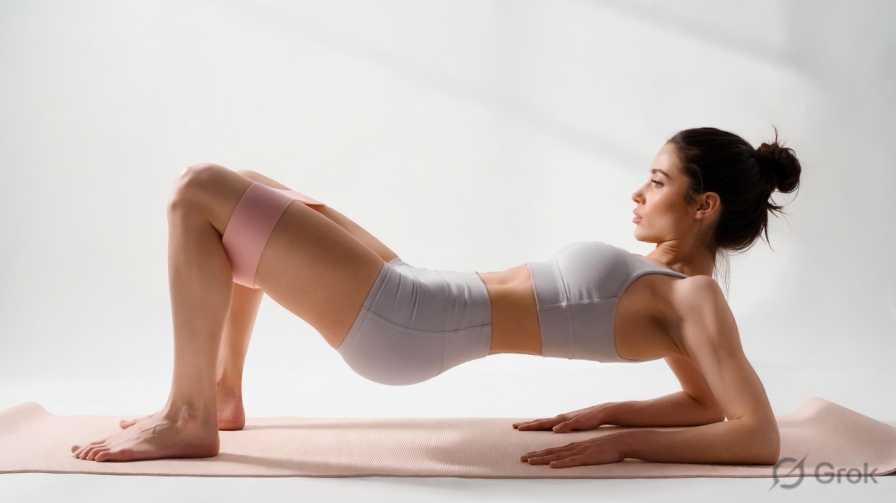
8. Glute Bridges (or Standing Hamstring Curls)
- Lie on back, feet flat, lift hips and squeeze glutes (or stand and curl one heel toward glutes).
- Focus: Glutes, hamstrings, core. Hold at top for extra burn.
9. Arm Circles with March or Jab Punches
- March in place while making big forward/backward arm circles, or add quick punches.
- Focus: Shoulders, cardio, upper body.
10. Plank Hold or Toe Taps (from hands/knees)
- Hold a forearm plank (or knee plank) or tap toes side to side from plank position.
- Focus: Full core, stability. Keep hips level.
Sample flow: Complete all 8–10 exercises once (~15–18 minutes with rests), then repeat favorites or do a second lighter round. Adjust intervals as needed.
Tips for Success as a Beginner
- Form first: Quality > quantity. Use a mirror if possible.
- Progression: Start with 1 round, shorter work intervals, or more rest. Increase over weeks.
- Frequency: 2–3 times per week with rest days in between. Pair with walking or yoga.
- Nutrition & Recovery: Eat protein-rich meals, stay hydrated, sleep well. Track how you feel, not just the scale.
- Modifications: Go slower, reduce range of motion, or use a chair for support. Many routines offer pregnancy/joint-friendly options.
- Motivation: Play upbeat music, track consistency, and celebrate small wins like more energy or better endurance.
This routine is joint-friendly yet effective for building fitness. Many beginners notice improved stamina and subtle body changes in 4–6 weeks. If you’d like a video recommendation, seated version, dumbbell add-on, or focus on specific areas (e.g., core or lower body), let me know. Start today—you’re building a strong foundation! 💪